There’s a growing demand for skilled real estate photographers in Gold Coast, and I’ll guide you through the steps to break into this lucrative field. First, you’ll need the right gear—a DSLR or mirrorless camera with a wide-angle lens—and an understanding of lighting techniques to showcase properties effectively. I recommend mastering editing software like Lightroom to enhance your images and investing in drone photography to stand out. Networking with local agents and building a strong portfolio will help you land clients. Let’s probe how you can turn your passion for photography into a thriving business in Gold Coast.
The Nuts and Bolts of Real Estate Photography
Real estate photography isn’t just about snapping pictures—it’s about delivering a polished product that helps sell properties. Agents and homeowners rely on your work to make a strong first impression, so consistency and quality matter. From lighting setups to post-processing, every step should enhance the property’s appeal. On the Gold Coast, where waterfront mansions and modern apartments dominate listings, your ability to highlight unique selling points—like ocean views or open-plan layouts—can set you apart.
Balancing speed and precision is key. While agents expect quick turnarounds, rushing can lead to missed details. A well-organized workflow—shooting in a logical sequence, bracketing exposures for tricky lighting, and batch-editing in Lightroom—keeps you efficient without sacrificing quality. Some photographers bundle services, offering twilight shots for luxury listings or virtual staging for vacant homes, adding value without significantly increasing workload.
Essential Deliverables for Clients
Agents typically expect 20–30 edited images per property, including interiors, exteriors, and standout features like pools or gourmet kitchens. On the Gold Coast, drone shots of beachfront properties or hinterland acreage are often requested, so including aerial options in your packages can justify higher rates. Always deliver images in multiple formats: high-res for print brochures and web-optimized versions for online listings, ensuring fast load times without compromising clarity.
Contracts should outline deliverables clearly—number of images, turnaround time, and revision limits. For example, one local photographer includes two rounds of minor edits (like brightness adjustments) but charges extra for reshoots or major revisions. Offering add-ons, such as 360-degree virtual tours or social media teaser videos, can boost your average project revenue by 20–30%.
Crafting a Compelling Property Narrative
Great real estate photos tell a story. Start with wide shots to establish the layout, then zoom in on details that evoke lifestyle—a sunlit reading nook, a sparkling pool at dusk, or a gourmet kitchen with marble countertops. On the Gold Coast, emphasize indoor-outdoor flow, capturing bi-fold doors open to patios or balconies with ocean glimpses. These shots help buyers envision themselves living there.
Sequence matters. Lead with the strongest image—often a bright, inviting living area or a drone shot of the property’s prime location. Follow with supporting shots that build coherence: master bedroom to ensuite, kitchen to dining area. Avoid repetitive angles; instead, vary perspectives to create depth. One recent project in Burleigh Heads used a mix of golden-hour exteriors and artificially lit interiors to showcase a home’s versatility, resulting in a sale within a week.
For luxury properties, subtle styling elevates the narrative. A neatly placed coffee table book, fresh towels in a spa bathroom, or a wine glass on the balcony can imply sophistication without distracting. Collaborate with agents to identify target buyers—families, downsizers, investors—and tailor your shots accordingly. A Broadbeach penthouse aimed at executives might highlight a home office with city views, while a Currumbin valley retreat focuses on lush gardens and tranquility.

Pricing Strategies that Work
Setting the right price for your real estate photography services in Gold Coast isn’t just about covering costs—it’s about positioning yourself competitively while ensuring profitability. The market here is dynamic, with luxury waterfront properties and suburban homes requiring different approaches. A well-structured pricing strategy accounts for property size, timing, and the listing’s value, ensuring you’re paid fairly for your expertise.
Agents in Gold Coast expect flexibility, but that doesn’t mean undervaluing your work. Bundle services like twilight shoots or drone footage into premium packages, and always clarify what’s included upfront. For example, some photographers charge a base rate for up to 20 images, then add fees for extras like virtual tours or same-day edits. Transparency builds trust and reduces haggling.
Tailoring Rates Based on Property Size
A 2-bedroom apartment in Surfers Paradise takes less time to shoot than a 5-bedroom mansion in Hope Island. Adjust your rates to reflect the scale of the job—more rooms mean more angles to capture, more editing, and often more coordination with staging teams. In Gold Coast, a standard rate for homes under 2,000 sq ft might start at $250–$350, while properties over 4,000 sq ft could command $450–$600.
Commercial real estate adds another layer. Shooting a retail space or office building often requires multiple visits or detailed exterior shots, which justifies higher fees. For consistency, create a pricing tier linked to square footage or room count, and note that luxury properties—regardless of size—fall into a separate category.
Timing Your Services for Optimal Pricing
Golden hour shoots along the Gold Coast’s beaches are in high demand, but they’re also labor-intensive. Charging a 20–30% premium for sunset or twilight sessions accounts for the extra equipment (e.g., off-camera lighting) and editing time to balance interior and exterior exposures. Conversely, midday bookings in winter might warrant a discount to fill your schedule during slower months.
Last-minute requests are another opportunity. If an agent needs photos within 24 hours for a hot listing, tack on an express fee—$50–$100 extra is common. This compensates for reshuffling your workflow and prioritizes clients willing to pay for urgency.
Seasonal demand also plays a role. Spring and summer are peak selling seasons in Gold Coast, so avoid undercutting your rates when agents are scrambling to list properties. Winter bookings might be slower, but offering package deals (e.g., a free virtual tour with every shoot) can keep your calendar full.
Premium Pricing for High-End Listings
Waterfront mansions in Sovereign Islands or penthouses in Broadbeach sell for millions, and your pricing should reflect that. Agents marketing luxury properties expect flawless images—think HDR blending, meticulous staging adjustments, and even aerial footage. For listings above $2M, base rates of $600–$1,200 are standard, with add-ons like 3D tours or cinematic video pushing the total higher.
High-end clients often value discretion and bespoke service. Offer a concierge experience, like scouting the property beforehand or providing multiple editing drafts. This justifies premium pricing and builds long-term relationships with top-tier agents.
Don’t shy away from quoting higher for prestige projects. Luxury agents budget for quality visuals, and undercharging can signal inexperience. Include a clause for additional revisions or extended shoot times, as these homes often require extra attention to detail.
Capturing the Perfect Shot: Key Techniques
Mastering real estate photography means understanding how to manipulate space, light, and composition to create images that sell. The right techniques can transform even an average property into a must-see listing. Let’s break down the vitals.
The Power of Wide-Angle Lenses
A 16-35mm lens is the gold standard for real estate photography, letting you capture entire rooms without distortion. On the Gold Coast, where open-plan living is a major selling point, a wide-angle lens ensures you highlight spacious interiors and seamless indoor-outdoor flow. Just avoid going below 10mm—excessive barrel distortion makes walls appear curved, which screams amateur work.
For beachfront properties, a wide-angle lens also helps emphasize sweeping views of the ocean or skyline. Pair it with a polarizing filter to reduce glare from windows and enhance the vibrant blues of the Pacific. The goal is to create a sense of immersion, as if the buyer is already standing in the space.
Highlighting a Property’s Best Features
Every home has a standout feature—a chef’s kitchen in Broadbeach, a infinity pool overlooking Burleigh Heads, or a heritage fireplace in a Queenslander. Identify these early and build your shots around them. For kitchens, shoot from a corner to capture countertops and appliances in one frame. For pools, shoot at golden hour to highlight reflections and water clarity.
Use leading lines to draw attention: position yourself so hallways, staircases, or even a row of palm trees guide the viewer’s eye toward the focal point. In luxury listings, details matter—close-ups of marble countertops or custom cabinetry add polish. But avoid overdoing it; three detail shots per property are plenty.
For coastal homes, frame shots to include natural light flooding through bifold doors or a sliver of ocean visible from the master bedroom. These subtle touches create emotional appeal, which is what ultimately drives buyer inquiries.
Navigating Environmental Challenges
Gold Coast weather is unpredictable—sudden rain or harsh midday sun can ruin a shoot. Schedule shoots for early morning or late afternoon when light is soft, and keep a collapsible diffuser in your kit to manage shadows. If you’re stuck shooting under harsh sun, bracket exposures and blend them in post-production to balance interior and exterior lighting.
Wind is another issue, especially for drone shots near the coast. Check wind speeds beforehand; gusts over 20km/h can destabilize smaller drones. For interior shots, close windows to avoid curtains blowing awkwardly mid-shot. Always scout the property beforehand to identify potential challenges like overgrown landscaping or construction nearby.
Editing can fix minor issues, but it’s faster to get it right in-camera. Use a tripod for consistency, and shoot in RAW to retain flexibility in adjusting white balance or recovering blown-out skies.
Leveraging Cutting-Edge Technology
Drones are a game-changer for Gold Coast properties, where aerial shots of the coastline or hinterland add major wow factor. A DJI Mavic 3 can capture 5.1K footage, ideal for luxury listings in Surfers Paradise or Main Beach. For interiors, a 360-degree camera like the Ricoh Theta Z1 lets you create virtual tours—a feature 80% of buyers now expect in high-end listings.
Editing software like Lightroom’s AI masking speeds up post-production, especially for batch-editing similar rooms. For twilight shots, use luminosity masks in Photoshop to blend ambient interior lighting with a sunset sky. Some photographers even use Matterport for 3D walkthroughs, though this requires specialized training.
Stay updated on local regulations: CASA requires RePL certification for commercial drone use in Australia, and some Gold Coast suburbs have no-fly zones near airports. Tech is an investment, but it pays off when you can offer services competitors can’t match.
Equipment Essentials: Lenses and Drones
Your gear can make or break your real estate photography business. The right lenses and drones elevate your work, helping you capture properties in ways that stand out in competitive Gold Coast listings. Investing in quality equipment ensures consistency, efficiency, and a professional edge.
Selecting the Best Lenses for Real Estate Photography
A 16-35mm lens is a Gold Coast favorite for interiors, balancing minimal distortion with expansive coverage. For tight spaces like studio apartments or narrow hallways, a 10-22mm lens captures more without warping edges. Prime lenses like the 24mm f/1.4 are rare in real estate but excel in low-light conditions—useful for dusk shots of waterfront properties in Surfers Paradise.
Distortion control matters more than aperture for real estate. The Canon EF 17-40mm f/4L or Nikon 14-24mm f/2.8G deliver sharp corners, critical for showcasing architectural details. Tilt-shift lenses correct perspective distortion in high-end properties, though they require practice. For budget-conscious starters, the Tokina 11-16mm f/2.8 offers pro results at half the price.
The Role of Drone Photography in Showcasing Properties
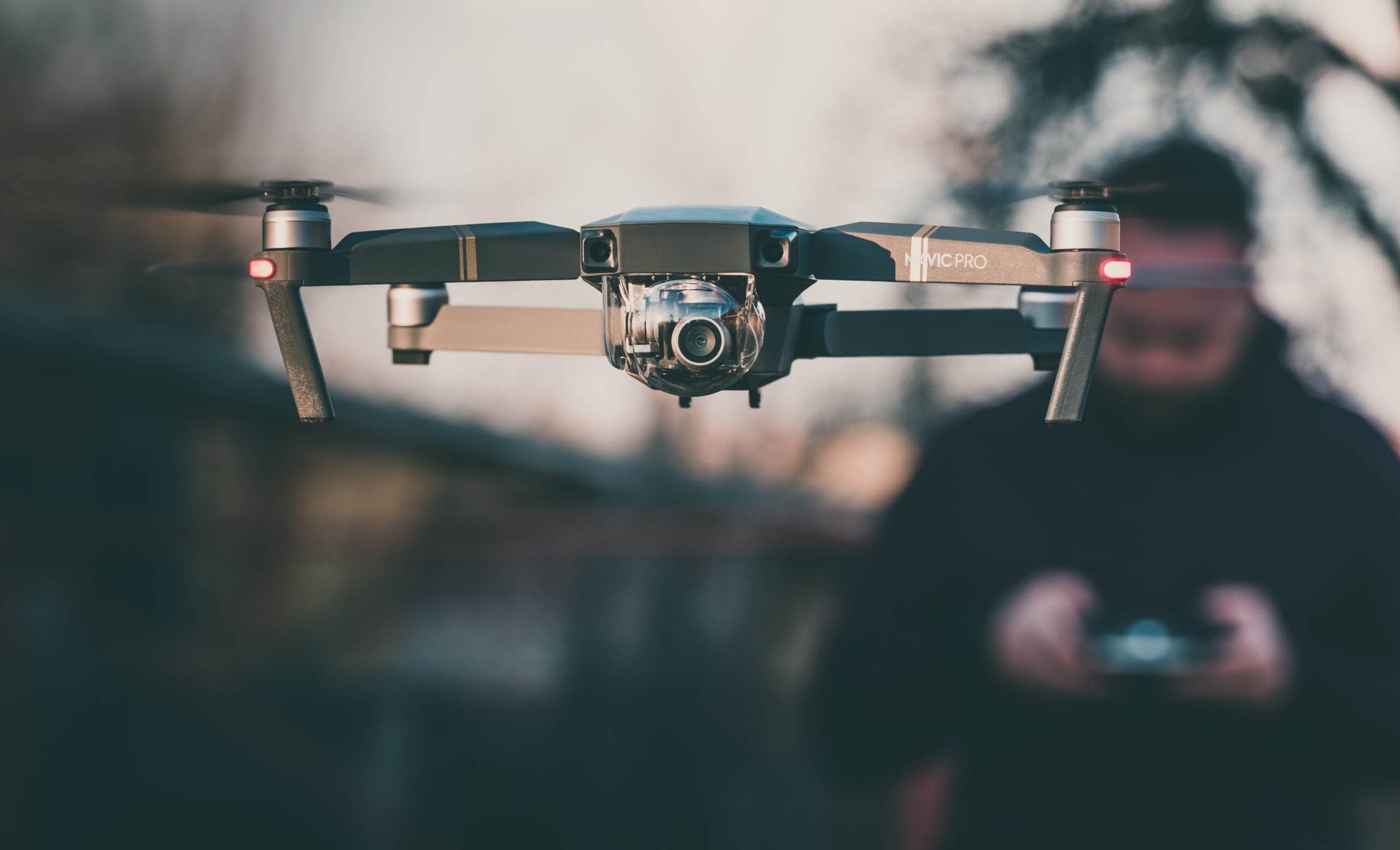
Drones transform listings by highlighting Gold Coast’s coastal lifestyle. A DJI Mavic 3 captures sweeping views of canal-front homes in Broadbeach or the skyline from Burleigh Heads, adding a 30% higher engagement rate to listings. For luxury estates, a 2-minute drone tour showcasing pools, beach access, and landscaping can justify a $500+ premium.
Regulations here differ from the U.S.—you’ll need a RePL (Remote Pilot License) from CASA and commercial approval. Fly below 120m, avoid airports like Coolangatta, and maintain 30m distances from people. The DJI Mini 3 Pro fits under the 250g weight limit, easing restrictions while delivering 4K footage. Always check Gold Coast council rules; some suburbs like Main Beach have no-fly zones.
Pair drone shots with ground-level twilight photography for maximum impact. A sunset aerial of a Mermaid Waters mansion, followed by a twilight pool shot, creates a narrative of luxury. Charge 20-30% more for drone-inclusive packages—clients pay for the storytelling advantage.
Boosting Your Business: Marketing and Client Engagement
Building a steady client base in Gold Coast’s competitive real estate market requires more than just great photography—you need a solid marketing strategy. Agents and agencies won’t just stumble upon your work; you have to position yourself where they’re looking. Start by identifying high-traffic areas like real estate networking events, LinkedIn groups, and local property forums. Cold emailing with a portfolio link can work, but personalizing your pitch to showcase how your images improve listing performance gets better results.
Engagement doesn’t stop at the first job. Follow up with past clients every few months—share a new technique you’ve mastered or offer a seasonal discount. Real estate agents deal with repeat business, so staying top of mind means you’ll be their first call for new listings. Track which properties you’ve shot that sold quickly, and use those success stories in your outreach. Data speaks louder than generic testimonials.
Identifying and Approaching Potential Clients
Gold Coast’s real estate scene is dominated by boutique agencies and major franchises like Ray White and Harcourts. Research which agencies focus on luxury properties versus first-home buyers—your pricing and style should align with their niche. Attend open houses not just to observe competitors’ work, but to introduce yourself to the hosting agent. A casual conversation about how you’d highlight the property’s waterfront views or modern kitchen finishes can lead to a trial shoot.
Don’t overlook commercial real estate photographers’ untapped opportunities. Shopping centers, office spaces, and industrial properties often need updated visuals for leasing. Reach out to commercial brokers with a tailored portfolio showing clean lines and spacious interiors. Offer a bundled rate for multiple properties to secure recurring work.
Effective Promotion Strategies for Your Photography Business
Social media is non-negotiable. Instagram and Facebook attract agents who want shareable content—post before/after edits or behind-the-scenes reels of drone shots over Burleigh Heads. Use geotags like #GoldCoastRealEstate to appear in local searches. Paid ads targeting real estate agents within 50km of the Gold Coast can yield a 5x ROI if your landing page highlights fast turnaround times and virtual tour options.
Collaborate with home stagers or interior designers for cross-promotion. Feature their work in your posts (tagging them), and they’ll often refer clients your way. A joint package deal—staging plus photography—adds value for high-end listings. List your services on platforms like Hipages or Oneflare, but prioritize direct outreach to avoid race-to-the-bottom pricing.
Consider offering a free shoot for a charity auction property. The exposure to multiple agents at the event, plus a credit line in the marketing materials, can outweigh the initial cost. Just ensure the charity has significant real estate industry ties.
Establishing a Standard Review Process
Client feedback shapes your reputation. After delivering images, send a short Google Forms survey asking agents to rate lighting, composition, and editing speed. Include an open-ended question like, “What’s one feature of the property you wish stood out more?” This not only improves your work but shows clients you’re proactive about quality. Positive responses? Publish them as case studies on your website with a link to the sold listing.
Negative reviews are rare but valuable. If an agent complains about shadowy corners in a bathroom shot, offer a free reshoot for that room. Turning a critique into a resolved issue often earns stronger loyalty than flawless initial work. Add a “Client Feedback” section to your contract, specifying how revisions are handled—this sets clear expectations upfront.
Automate follow-ups with tools like Mailchimp to request reviews 48 hours after delivery, when satisfaction is freshest. Include direct links to your Google Business Profile or Facebook page to streamline the process for busy agents.
Final Words
Considering all points, becoming a real estate photographer in Gold Coast requires a mix of technical skill, business acumen, and adaptability. I recommend starting with the right equipment—especially a wide-angle lens—and mastering the art of capturing spaces in their best light. You’ll need to balance efficiency with quality, as quick turnaround times are often expected. Pricing your work fairly, accounting for property size, time of day, and property value, will help you build a sustainable business. Don’t overlook the potential of drone photography to elevate your services, but ensure you comply with local regulations before taking flight.
To succeed in Gold Coast’s competitive market, focus on delivering images that highlight a property’s best features while maintaining a professional workflow. Networking with local real estate agents and continuously refining your editing skills will set you apart. Whether you’re just starting or expanding your photography business, persistence and a keen eye for detail will be your greatest assets. With the right approach, real estate photography can be both a rewarding and profitable career in this thriving coastal city.